What Happens If Someone Gets Hurt on Your Rental Property in Texas?
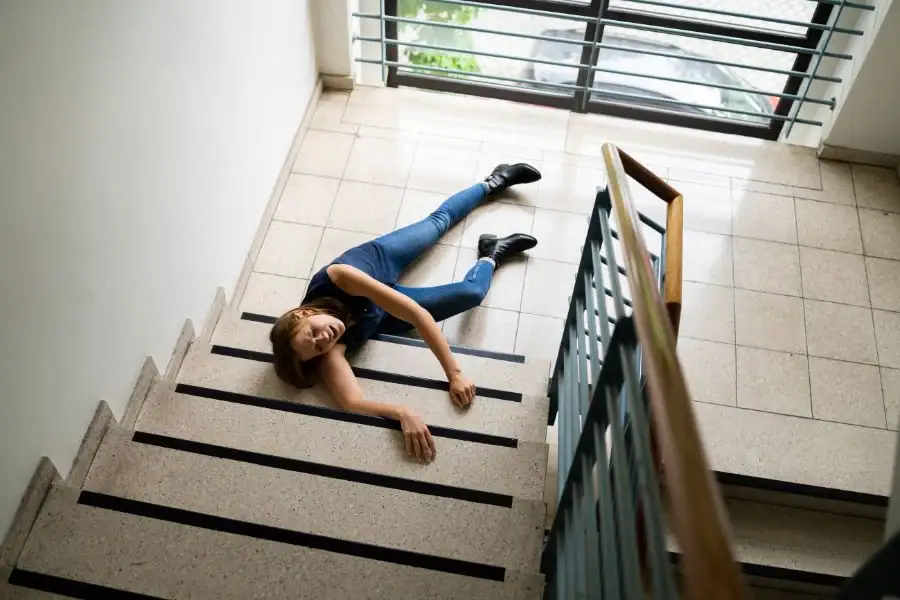
An injury on your rental property can happen in an instant — a tenant slips on a broken step, a guest trips in a poorly lit hallway, or a visitor is assaulted because a broken lock was never repaired. When that happens, questions about legal responsibility follow fast.
Texas law governs who is liable when someone is hurt on a rental property, and the answer is rarely simple. Depending on the circumstances, a landlord, a tenant, or both may share responsibility. Understanding where the legal lines fall can make a significant difference in how a claim plays out.
If you’re dealing with an injury claim — whether you’re a landlord, a tenant, or an injured guest — speaking with a personal injury lawyer in Frisco can help clarify your rights before you take any further steps.
Who Is Responsible for Injuries on a Rental Property in Texas?
Liability for a rental property injury usually comes down to one question: who had control over the condition that caused the harm, and did they fail in their duty to keep it safe?
Landlord Responsibilities
Under Texas law, landlords have a legal duty to maintain their rental properties in a reasonably safe condition. This includes:
- Repairing known hazards in a timely manner after being notified
- Maintaining common areas such as parking lots, stairwells, hallways, and building entrances
- Complying with local building and housing codes, including those set out under the Texas Property Code, Chapter 92
- Addressing structural issues like broken railings, faulty wiring, or deteriorating flooring
Importantly, a landlord’s liability generally hinges on knowledge — they must have known (or reasonably should have known) about the dangerous condition and failed to address it.
Tenant Responsibilities
Tenants also carry responsibility for their portion of the property. A tenant is generally expected to:
- Keep their unit in a clean and safe condition
- Avoid creating new hazards through negligence or misuse of the property
- Promptly notify the landlord of any dangerous conditions that require repair
When a tenant creates a hazard — or ignores one they know about — liability can shift entirely onto them.
Shared Liability Situations
Texas follows the 51% bar rule — also known as modified comparative fault — meaning more than one party can share responsibility for an injury.
Under the Texas Civil Practice and Remedies Code § 33.001, an injured person can still recover compensation as long as they are found 50% or less at fault. If they are 51% or more at fault, they are barred from any recovery. Where fault is shared but below that threshold, their payout is reduced by their percentage of fault.
Example scenario: A tenant trips and falls on a cracked sidewalk outside their unit. They had notified the landlord twice in writing but received no response. However, the tenant had also chosen to run across the same walkway in the dark wearing flip-flops despite knowing it was damaged. In this case, a court might find the landlord 70% at fault and the tenant 30% at fault — reducing the tenant’s compensation accordingly, but not eliminating it.
Common Situations Where Landlords May Be Liable
Not every injury on rental property leads to landlord liability. But several recurring scenarios often do.
| Situation | Why the Landlord May Be Liable |
|---|---|
| Slip and fall on wet or broken stairs | Failure to maintain structural safety |
| Broken railings or balconies | Known hazard not repaired in a reasonable time |
| Poor lighting in common areas | Negligent maintenance of shared spaces |
| Crime-related injury (negligent security) | Failure to secure entry points in a high-crime area |
| Dog bite by another tenant’s dog | Landlord knew the dog was dangerous and allowed it to remain |
A note on negligent security: If a tenant or guest is assaulted on your property due to broken locks, malfunctioning gate access, or inadequate lighting in areas where crime has previously occurred, you may face a premises liability claim even if you weren’t present. Texas courts have found landlords liable in these cases when they had prior notice of security risks and failed to act.
For claims involving unsafe conditions in commercial settings, the same core principles apply — see our guide on store liability claims in Texas for more context on how premises liability works beyond residential rentals.
When Is a Landlord NOT Liable?
There are meaningful defenses available to landlords facing injury claims. Liability is unlikely — or significantly reduced — in these situations:
- The tenant caused the hazard. If the injured person created the dangerous condition themselves (for example, spilling liquid and not cleaning it up), the landlord is generally not at fault.
- The injury occurred in a tenant-controlled area. Landlords typically cannot be held liable for conditions inside a private rental unit they had no knowledge of or access to.
- The issue was never reported. A landlord cannot be expected to fix what they didn’t know about. Lack of notice is a common and often successful defense.
- The injured person acted recklessly. If someone ignored visible warnings, jumped a fence, or trespassed onto a restricted area, the landlord’s responsibility may be significantly reduced or eliminated.
What to Do If Someone Gets Hurt on Your Rental Property
Whether you’re the landlord or the injured party, the steps you take immediately after an incident can have a major impact on what comes next.
- Seek medical attention — This is the first priority. Even injuries that seem minor can worsen without proper treatment, and prompt medical documentation is vital.
- Document the scene — Take photos and video of the exact location, the hazard, any visible injuries, and the surrounding conditions (lighting, signage, etc.).
- Report the incident — Landlords should document the event in writing. Tenants should notify their landlord formally, preferably in writing with a timestamp.
- Gather witness information — Names and contact details from anyone who witnessed the incident can be critical later.
- Notify your insurance company — Both landlords and tenants should contact their insurers promptly. Be factual and avoid admitting fault at this stage.
- Contact a personal injury lawyer — Before making recorded statements to insurers or signing anything, get legal advice.
⚠️ Insurance adjusters work for the insurer — not for you. Reach out to a Texas personal injury attorney to evaluate your situation before speaking with insurers. An attorney can help protect your rights from the very first conversation.
Can an Injured Tenant or Guest Sue a Landlord in Texas?
Yes — and it happens more often than many landlords expect. Under Texas premises liability law, any person lawfully on the property (a tenant, their guest, a delivery driver, a repair technician) may have grounds to file a claim if they were injured due to the landlord’s negligence.
Legal Grounds for a Lawsuit
The most common legal basis is negligence — specifically, a landlord’s failure to repair a known hazard, a violation of the Texas Property Code, or inadequate security in an area with a documented history of criminal activity.
What Must Be Proven
To succeed in a premises liability claim, the injured party typically needs to establish four things:
- Duty of care — The landlord had a legal obligation to maintain safe conditions
- Breach of duty — The landlord failed to meet that obligation
- Causation — That failure directly caused the injury
- Damages — The injured person suffered real, documented harm as a result
What Compensation Can Be Recovered?
If a landlord is found liable, an injured person may be entitled to recover:
- Medical expenses — Emergency care, surgery, rehabilitation, future treatment costs
- Lost wages — Income lost while recovering, or future earnings lost due to lasting disability
- Pain and suffering — Compensation for physical pain, emotional distress, and reduced quality of life
- Long-term disability — Where injuries permanently limit the victim’s ability to work or live independently
The value of a claim depends heavily on the severity of the injury, the strength of the evidence, and how liability is allocated.

How Texas Premises Liability Laws Affect Your Case
Beyond fault allocation, two other legal factors carry significant weight in any rental property injury claim.
Statute of Limitations
In Texas, you have two years from the date of the injury to file a personal injury lawsuit, per Texas Civil Practice and Remedies Code § 16.003. Missing this deadline typically means losing the right to pursue compensation — regardless of how strong the case is.
Why Evidence Matters So Much
Texas courts rely heavily on documentation. Photos of the hazard, written complaints to the landlord, maintenance records, witness accounts, and medical reports all factor into who wins and how much they recover. The sooner evidence is gathered and preserved, the better.
How a Personal Injury Lawyer Can Help
Handling a rental property injury claim — whether you’re the injured party or the landlord being sued — involves legal, procedural, and strategic complexities that are difficult to navigate alone. A personal injury lawyer can:
- Investigate liability by reviewing maintenance records, lease agreements, inspection reports, and property history
- Gather and preserve evidence before it disappears — including surveillance footage, which is often overwritten quickly
- Handle communications with insurance companies on your behalf to avoid damaging admissions or lowball settlement offers
- Calculate the full value of your damages, including future costs that are easy to underestimate without legal experience
- Negotiate a fair settlement and, if necessary, represent you in court
📞 Get in touch with a personal injury attorney in our directory today for a case review. Most personal injury lawyers work on contingency — meaning you pay nothing unless they win.

Talk to a Texas Personal Injury Lawyer Today
Injuries on rental properties are more common than most people realize — and the legal questions they raise are rarely straightforward. Whether you’re a landlord facing a claim, a tenant who was hurt through no fault of your own, or a guest who suffered a serious injury on someone else’s property, the right legal guidance can make all the difference.
The two-year window to file a claim in Texas moves faster than you think. Evidence gets lost. Insurance companies act quickly to protect their own interests.
Don’t wait to get clarity on where you stand.
Browse our directory to connect with a trusted personal injury lawyer in Frisco, an experienced personal injury attorney in Allen, or another qualified attorney across North Texas. Initial consultations are typically free — and knowing your rights costs nothing.
Find a Personal Injury Lawyer Near You →
FAQs
Can a landlord be sued for tenant injuries in Texas?
Yes. If a landlord’s negligence — such as failure to repair a known hazard — caused or contributed to a tenant’s injury, the landlord can be held legally liable. The key factor is whether the landlord knew or should have known about the dangerous condition.
What if a guest gets hurt at my rental property?
Guests who are lawfully on the premises have the right to a reasonably safe environment. If a guest is injured due to a hazard the landlord knew about and failed to fix, the landlord can face a premises liability claim regardless of whether the injured person was a paying tenant.
Does renters insurance cover injuries?
Renters insurance (carried by the tenant) typically includes personal liability coverage for injuries the tenant causes — for example, if a guest is hurt due to the tenant’s negligence. It generally does not cover injuries caused by the landlord’s failure to maintain the property. Landlord liability insurance is the relevant coverage for those situations.
How long do I have to file a claim in Texas?
In most cases, the statute of limitations for a personal injury claim in Texas is two years from the date of injury. There are limited exceptions — for example, if the injured person is a minor — but waiting is always risky. Evidence fades, witnesses move, and deadlines are strict.