
What Happens When You Reject a Settlement Offer in Texas?
You just received a settlement offer from the insurance company. The number seems low—really low. You’re wondering if you have to accept it or what happens if you say no.
Rejecting a low settlement offer doesn’t end your claim. In fact, insurance companies expect negotiation. You have every right to push back and demand fair compensation for your injuries, medical bills, lost wages, and pain and suffering.
Speaking with a Texas personal injury lawyer can help you understand your options and whether the offer truly reflects what you deserve.
Can you reject an insurance settlement offer?
Yes—absolutely. Most initial settlement offers are intentionally low. Insurance adjusters know that many people don’t understand the full value of their claim or feel pressured to settle quickly.
The claims process is designed to allow negotiation, and experienced attorneys handle these disputes every day.
What happens after you reject a settlement offer
Once you reject an offer, several things can happen. The process doesn’t stop—it simply shifts into a different phase.
The insurance company may make a counteroffer
After you reject their initial offer, the insurance adjuster will likely reassess your claim. They may review the evidence again, consult with supervisors, or authorize a higher settlement amount.
This is where negotiation truly begins. The adjuster knows you’re serious about getting fair compensation, which often leads to a more reasonable offer.

You can submit a counter demand
You’re not just waiting around for the insurance company to act. You can take control by submitting your own counteroffer with updated medical records, lost wage calculations, expert opinions, and documentation of how the injury has impacted your life.
The claim may take longer to resolve
Rejecting a settlement offer extends the timeline. What might have been a quick resolution now turns into weeks or months of back-and-forth negotiation.
This is normal and often necessary. Rushing into a low settlement just to close the case faster can leave you without enough money to cover future medical bills or permanent disabilities.
Patience during this phase often results in significantly better outcomes.
You may need to file a lawsuit
If negotiations stall or the insurance company refuses to offer fair compensation, filing a personal injury lawsuit becomes the next step.
Here’s what’s important to know: most cases still settle after a lawsuit is filed. Insurance companies take claims more seriously once they see you’re willing to go to court. The threat of a trial—and the possibility of a jury awarding even more damages—often brings them back to the negotiation table with a better offer.
Reach out to our attorneys to evaluate whether filing a lawsuit is the right next step for your case.
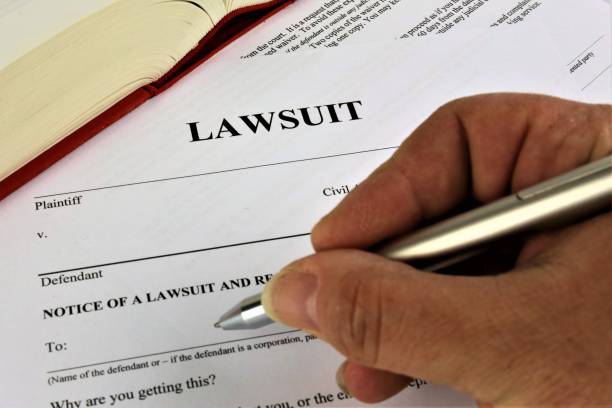
Why insurance companies make low settlement offers
Insurance companies are businesses focused on protecting their bottom line. Here’s why they lowball claimants:
Profit over people: Every dollar they save on claims means higher profits. If they can settle 100 claims for half their value, they save millions.
Testing your knowledge: Many people don’t know what their claim is worth, so adjusters offer low amounts hoping you’ll accept without questioning it.
Common tactics include:
- Downplaying your injuries: “Your injuries aren’t that serious” or “You’ll be fine in a few weeks”
- Disputing liability: “Our driver wasn’t fully at fault” or “You contributed to the accident”
- Rushing you: “This offer expires soon” or “If you don’t accept now, we may withdraw it”
Should you reject a settlement offer?
Not every low offer should be rejected. Sometimes accepting makes sense, even if the number isn’t ideal.
Signs the offer is too low
You should seriously consider rejecting if the settlement:
- Doesn’t cover your medical bills: Past and future treatment costs should be fully accounted for
- Ignores lost wages: Both past and future earning capacity matter
- Provides no compensation for pain and suffering: Physical pain, emotional distress, and reduced quality of life deserve compensation
- Fails to account for permanent disability: Long-term impacts should increase the settlement amount
| Injury Type | Typical Minimum Settlement Range | Factors That Increase Value |
|---|---|---|
| Soft tissue injuries | $3,000 – $15,000 | Ongoing treatment, permanent pain |
| Broken bones | $10,000 – $50,000+ | Surgery required, limited mobility |
| Traumatic brain injury | $100,000 – $1,000,000+ | Cognitive impairment, lifelong care |
| Spinal cord injury | $500,000 – $5,000,000+ | Paralysis, medical equipment needs |
Note: These are general ranges. Your case value depends on specific facts and damages.
When accepting might make sense
There are legitimate reasons to accept an early offer:
Minor injuries with full recovery: If you suffered a minor sprain, received treatment, and fully recovered within weeks, a fair offer might be worth accepting.
Clear liability with a reasonable offer: When fault is obvious and the insurance company offers an amount that genuinely covers all your damages, settling quickly can make sense.
Urgent financial needs: If you’re facing eviction, foreclosure, or can’t afford ongoing medical care, a lower settlement now might be better than a higher amount months down the road.
⚠️ Important consideration: Once you accept a settlement and sign a release, you cannot reopen the case—even if your injuries turn out to be worse than expected.
How to respond to a low insurance settlement offer
Rejecting an offer is just the first step. Here’s how to strengthen your position during negotiations.
Gather strong evidence
Documentation is everything in insurance negotiations. The stronger your evidence, the harder it is for the insurance company to deny fair compensation.
Collect:
- Complete medical records: Every doctor visit, test result, prescription, and treatment plan
- Photographic evidence: Injuries, accident scene, property damage, visible scars
- Witness statements: Anyone who saw the accident or can speak to your injuries
- Expert medical opinions: Doctors who can testify about your prognosis and future needs
💡 Pro tip: Keep a daily journal documenting your pain levels, limitations, and how the injury affects your life. This becomes powerful evidence for pain and suffering claims.
Calculate full damages
A complete damage calculation includes both economic losses (medical expenses, lost wages, property damage, out-of-pocket costs) and non-economic losses (pain and suffering, emotional distress, loss of enjoyment of life, permanent scarring).
Want to understand potential case value? Learn more about how much you can sue for a car accident in Texas.
Submit a counteroffer
Your attorney will prepare a formal demand letter that explains why the initial offer is inadequate, provides supporting evidence, includes a specific settlement amount with justification, and sets a deadline for response.
Avoid common mistakes
Don’t sabotage your claim by:
Accepting too quickly: Give yourself time to understand the full extent of your injuries. Some problems don’t appear immediately.
Talking to adjusters without legal guidance: Insurance adjusters are trained negotiators. Anything you say can be used to minimize your claim.
Posting on social media: Photos of you hiking, partying, or looking happy can be used to argue your injuries aren’t serious.
Missing medical appointments: Gaps in treatment give insurance companies ammunition to claim you’re not really hurt.
What happens if negotiations fail?
Sometimes, despite your best efforts, the insurance company refuses to offer fair compensation. That’s when litigation becomes necessary.
Filing a personal injury lawsuit in Texas
In Texas, you generally have two years from the date of injury to file a personal injury lawsuit. This deadline—called the statute of limitations—is firm. Miss it, and you lose your right to sue.
According to the Texas Civil Practice and Remedies Code § 16.003, this two-year window applies to most personal injury claims, including car accidents, slip and falls, and medical malpractice.
⏰ Time-sensitive note: Some exceptions can shorten or extend this deadline. For example, claims against government entities often have much shorter notice requirements (as little as 6 months).
Discovery and settlement negotiations continue
After filing a lawsuit, both sides exchange evidence through discovery (depositions, document requests, interrogatories, and expert witness disclosures).
Most personal injury cases settle even after a lawsuit is filed. Once the insurance company sees the strength of your evidence and realizes you’re committed to going the distance, they often make a much more reasonable offer.
Going to trial
Trials are rare—fewer than 5% of personal injury cases go to trial—but they’re sometimes necessary. The risk is higher for both sides. You might win significantly more than the settlement offer, or you might lose and get nothing. Your attorney will help you weigh these risks before proceeding.
How a Texas personal injury lawyer can help
An experienced attorney dramatically changes the outcome of insurance negotiations. They accurately value your claim, professionally negotiate with insurers, gather expert evidence, and represent you in court if needed.
| Without Attorney | With Attorney | Increase |
|---|---|---|
| Average settlement | Average settlement | 3.5x higher |
| 51% receive payout | 91% receive payout | 78% increase |
| $4,699 (average bodily injury claim) | $16,658 (average bodily injury claim) | +254% |
Source: Data from Insurance Research Council studies on personal injury settlements and Lawyers.com internal research.
Whether you’re in Dallas, Fort Worth, or anywhere in North Texas, experienced legal help is available. Browse our personal injury lawyer in Dallas or personal injury lawyer in Fort Worth directories to find qualified attorneys near you.
Contact our lawyers today to review your settlement offer and protect your rights.
Key takeaways
- You’re never obligated to accept the first offer
- Negotiation is expected and often results in better offers
- Attorneys increase settlements by 3.5x on average
- Most cases settle without going to trial
- Texas gives you two years to file a lawsuit
Don’t let fear force you into accepting less than you deserve.
FAQs
Can an insurance company withdraw an offer?
Yes, but it’s uncommon. Insurance companies can withdraw settlement offers, especially if new information comes to light. However, once you accept an offer in writing and sign a release, the agreement is binding.
How long do settlement negotiations take?
Weeks to months, depending on the complexity of your case. Simple claims with clear liability and minor injuries might settle within 4-8 weeks. Complex cases involving serious injuries, disputed fault, or multiple parties can take 6-12 months or longer. The timeline also depends on how quickly the insurance company responds to demands and whether litigation becomes necessary.
Will rejecting an offer hurt my case?
No—if anything, it strengthens your position. Rejecting a low offer shows you understand your claim’s value and won’t be pressured into settling cheap. It also gives you time to gather additional evidence.
Should I hire a lawyer before rejecting an offer?
Yes—this ensures you don’t undervalue your claim. An attorney can review the offer, calculate what your case is actually worth, and handle negotiations on your behalf. Most personal injury attorneys offer free consultations.